How Vehicle Black Box Data Can Affect Accident Investigations
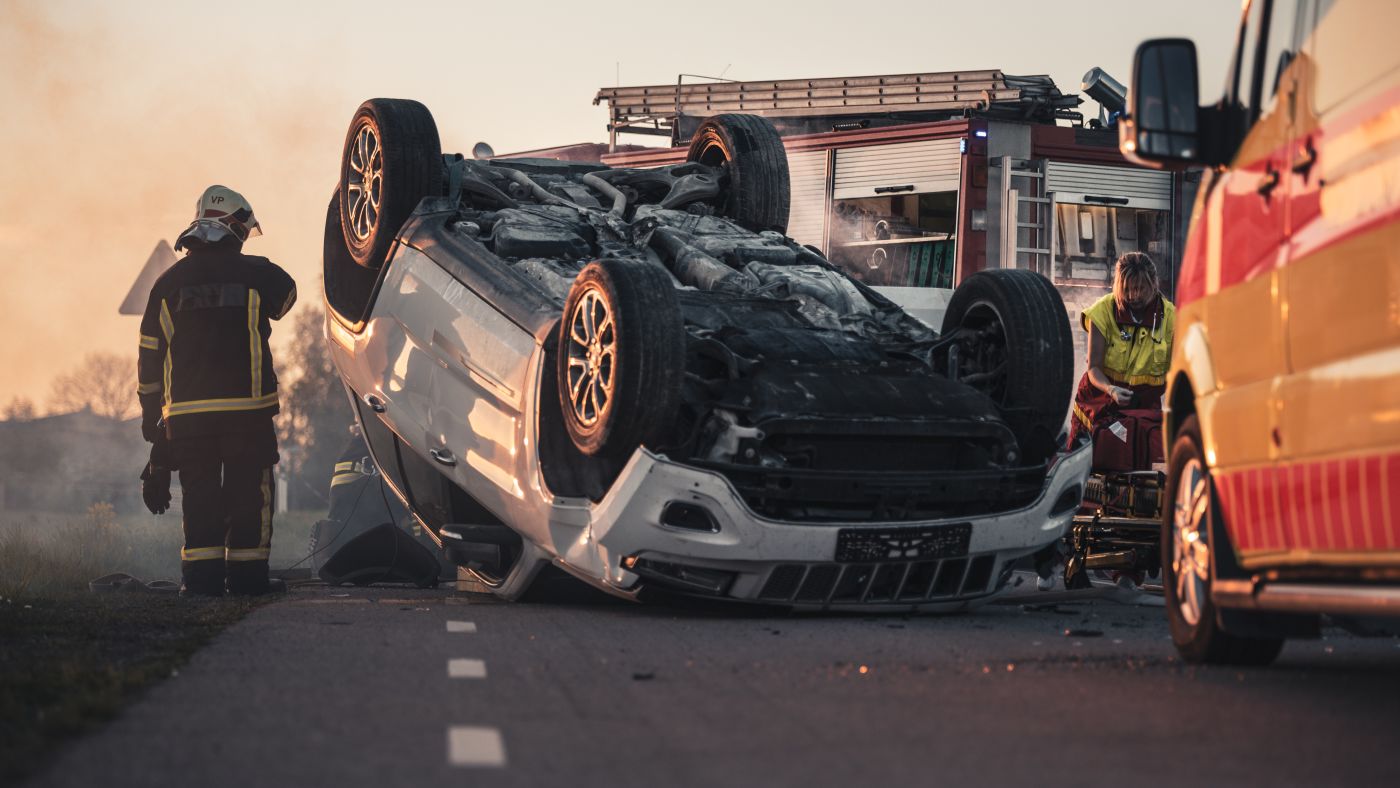
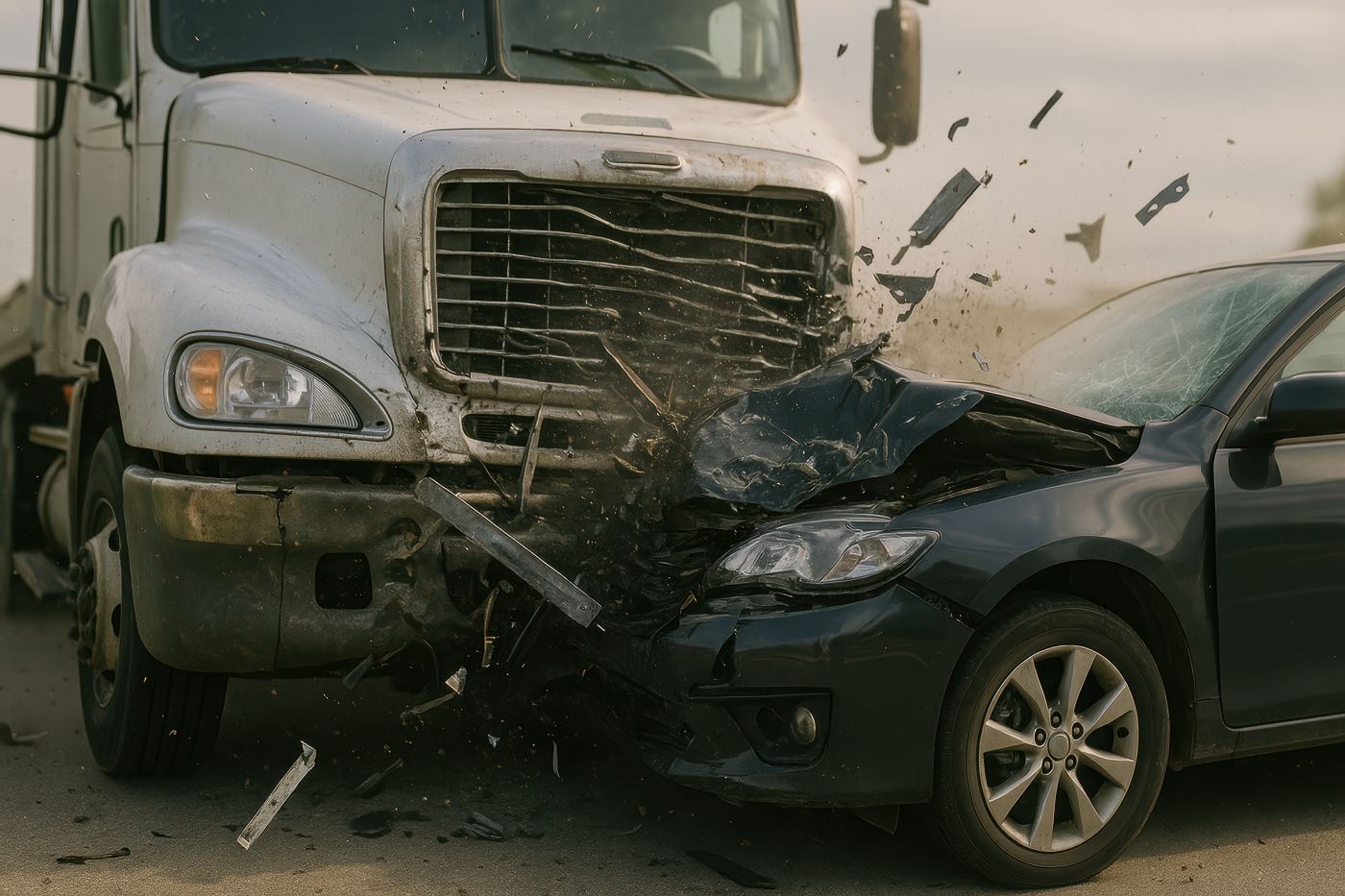
A car accident can turn an ordinary day into one filled with pain, confusion, and unanswered questions. In the chaotic moments after a crash, it's hard to piece together exactly what happened, who was at fault, or why the vehicles behaved the way they did.
This is where vehicle black box data can make a real difference. Modern vehicles are often equipped with small devices, known as event data recorders or EDR's, that quietly capture information in the seconds before, during, and after a collision.
EDR's can offer an objective picture of what actually happened on the road, and Houston, TX car accident lawyers rely on it to build stronger, more accurate cases for their injured clients.
Vehicle black box data comes from an event data recorder, a small computer built into most cars, trucks, and SUVs manufactured after the early 2000s. This device works much like the black box on an airplane, storing a short window of information tied to sudden changes in speed, force and braking.
It doesn't record audio or video, but it does hold detailed technical readings that can speak volumes about how a crash unfolded.
For car accident lawyers, this information is often one of the most valuable pieces of evidence available. Instead of relying only on witness memories or a police officer's initial impression at the scene, we can point to hard data that shows what the vehicle and driver were doing in the critical moments before impact.
That kind of proof can carry real weight with insurance adjusters, opposing counsel, and juries alike.
When a collision happens, an event data recorder locks in a snapshot of information from just before, during, and immediately after the impact. This data is stored electronically and can be downloaded and analyzed by trained professionals, giving car accident lawyers a clearer window into the moments that mattered most.
Here's a look at some of the details these devices commonly capture:
Vehicle speed: The recorder logs how fast the vehicle was traveling in the seconds leading up to the crash, which helps establish whether speeding played a role.
Braking activity: Data shows whether and when the brakes were applied, and how hard, which can reveal reaction time or a driver's failure to slow down.
Seatbelt use: The device notes whether seatbelts were buckled at the time of impact, information that can matter for both fault and injury claims.
Airbag deployment: Timing and force data around airbag deployment can help explain the severity of the collision and the injuries that followed.
Steering and throttle input: Records of steering angle and accelerator use can show whether a driver attempted to avoid the crash or was accelerating instead.
These details don't just sit in isolation; they work together to form a timeline that's hard to dispute. When we combine this information with police reports, medical records, and witness statements, we can build a fuller and more persuasive account of what happened on the road.
Black box data is powerful, but it isn't always easy to obtain, and timing matters a great deal. Because this information can be overwritten or lost if the vehicle is repaired, driven, or scrapped, acting quickly is one of the most important steps after a crash. Below are some of the obstacles that often come up when trying to secure this evidence:
Data overwriting: Many recorders only store a limited number of events, so continued driving after a crash can erase the original data.
Legal barriers: Accessing another driver's vehicle data typically requires a subpoena, court order, or the cooperation of an insurance company, none of which happen automatically.
Manufacturer differences: Not every recorder stores the same information or uses the same format, so retrieving and interpreting the data takes specific tools and knowledge.
Chain of custody issues: If the data isn't collected and stored properly, its reliability can be challenged later in negotiations or litigation.
Vehicle disposal: Damaged vehicles are sometimes towed, sold for parts, or destroyed before anyone thinks to preserve the recorder inside them.
These challenges are exactly why prompt action after a crash makes such a difference. When we step in early, we can send preservation letters, coordinate inspections, and take the legal steps needed to keep this evidence intact before it's lost for good.
Recovering from a car accident is hard enough without also having to figure out how to prove what happened. You shouldn't have to relive the crash over and over while fighting an insurance company that's looking for reasons to pay you less.
That's exactly why having someone in your corner, who understands both the technology and the law, can bring a real sense of relief during such a difficult time.
At Joel A. Gordon & Associates, our experienced car accident lawyers are committed to using every available tool, including vehicle black box data, to fight for fair compensation.
Located in Houston, Texas, we proudly stand alongside injured people in Austin, Dallas, Fort Worth, El Paso, and throughout Texas, helping them turn confusing, technical evidence into clear answers. Reach out to us today for a free consultation, and let's talk about how we can help you move forward.